Available 24/7 312-535-4625

-

- Home
- About Us
- Attorneys
- Practice Areas
- Nursing Home Abuse and Neglect
- Wrongful Death
- Bed Sores
- Sepsis
- Infection
- Falls
- Fractures
- Life-Threatening Injuries
- Wandering and Elopement
- Physical Abuse
- Choking
- Burns
- Sexual Abuse
- Malnutrition
- Dehydration
- Medication Errors
- Breathing Tube Injuries
- Unreasonable Restraint
- Lack of Medical Care
- Inadequate Staffing
- Elder Abuse
- Alzheimer’s and Dementia Patients
- Nursing Home Care Act
- Assisted Living Lawsuits
- Rehabilitation Facility Lawsuits
- Nursing Home Abuse and Neglect
- Our Victories
- Info Center
- Blog
- Contact
Top Causes of Wrongful Death in Nursing Homes
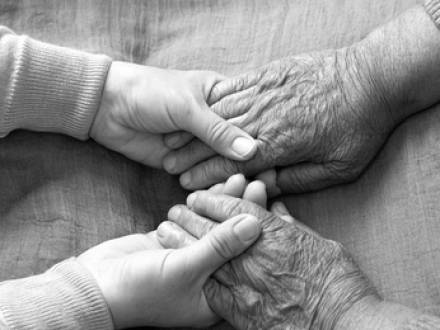 Receiving notice that your elderly loved one has died in a nursing home can be difficult to bear. It can be even more distressing to discover that negligence was a factor in his or her death. Though the nursing home may claim otherwise, the incident itself may have been preventable. If this is the case, you may be able to take legal action and seek accountability.
At Schwartz Injury Law, our Addison, IL wrongful death attorneys can help you pursue payment for the loss of your loved one. Over our firm’s long history, we have secured numerous victories for our clients, including a case worth $410,000 for the family of a choking victim in a nursing home. When you work with us, you will talk to a real lawyer, not an intake service.
Common Causes of Fatal Nursing Home Incidents in 2026
Fatal nursing home incidents often happen when small warning signs are missed. Older adults may be frail, ill, confused, or unable to speak up clearly. This makes careful supervision very important.
Infection
Infections can become deadly in nursing homes. Residents may have weak immune systems, open wounds, catheters, breathing problems, or other health issues that make infections harder to fight.
A nursing home should watch for signs of infection. These may include fever, confusion, swelling, weakness, pain, trouble breathing, or changes in behavior. Staff should also follow basic safety steps. They should wash their hands, clean wounds, change bedding, sanitize equipment, and report symptoms quickly.
Some fatal infections begin with bedsores. A bedsore may start as red or irritated skin. Without care, it can become an open wound. Bacteria can enter the wound and spread through the body. This may lead to sepsis, which can be life-threatening.
Pneumonia, urinary tract infections, and skin infections may also become serious. When staff ignore symptoms or delay medical care, a resident may suffer harm that could have been avoided.
Falling Hazards
Falls are one of the most common causes of serious injury in nursing homes. For older adults, a fall can lead to a broken hip, head injury, internal bleeding, or a sharp decline in health.
Some falls happen because residents need more help than they receive. A resident may need assistance getting out of bed, walking to the bathroom, showering, or moving from a wheelchair. When staff are not nearby, the resident may try to move alone.
Other falls happen because the building is unsafe. Wet floors, poor lighting, loose rugs, broken handrails, cluttered hallways, and badly fitted wheelchairs can all create danger. Medication can also increase the risk of falling, especially if it causes dizziness or confusion. A nursing home should know which residents are at risk and make appropriate care plans. When they fail to do so, a preventable fall may become fatal.
Wandering and Elopement
Some residents have dementia, Alzheimer’s disease, memory loss, or confusion. These residents may wander away from safe areas. Elopement happens when a resident leaves the facility or a protected area without supervision.
This can be extremely dangerous. A resident may walk into traffic, fall outside, become lost, suffer exposure to heat or cold, or go without needed medication. In some cases, a resident may not understand where he or she is or how to ask for help.
Nursing homes should take this risk seriously. They may need alarms, locked memory care units, visitor check-in systems, regular room checks, and close supervision. Staff should also know each resident’s behavior patterns.
Choking
Choking can happen quickly, and it may leave staff with only seconds to respond. Many nursing home residents have trouble swallowing because of age, a stroke, dementia, Parkinson’s disease, dental problems, or general weakness.
Choking risks can also increase when residents are rushed during meals. Staff should know when a resident needs a special diet or close supervision. A fatal choking incident may show that the nursing home failed to follow the resident’s care plan or ignored clear warning signs.
Do Wrongful Death Claims Cover Funeral Costs in Illinois?
A wrongful death claim may help surviving family members recover certain losses after a nursing home death (740 ILCS 180/1). In Illinois, these claims are usually brought when a person dies because of another party’s wrongful act, neglect, or default. In a nursing home case, this may involve abuse, neglect, poor supervision, delayed medical care, or unsafe conditions.
Funeral and burial costs may be part of a wrongful death claim. These expenses can place a heavy burden on a family, especially when the death was sudden. A claim may also address other losses connected to the death.
Depending on the facts, other damages may include grief, sorrow, mental suffering, loss of companionship, and loss of support. A separate survival claim may also apply in some cases. That type of claim may address damages that the resident suffered before death, including medical expenses.
Every case depends on the evidence. A nursing home death does not always mean the facility is legally responsible. However, when poor care caused or contributed to the death, the family may have the right to seek compensation.
What Can You Do if a Nursing Home Denies Responsibility for a Death?
Nursing homes often deny fault after a resident dies. They may say the death was caused by age, illness, or an unavoidable medical event. In many cases, the full story is hidden in the records.
Families can start by gathering evidence. Important evidence may include medical records, care plans, medication logs, fall reports, infection records, wound care notes, staffing records, photos, videos, witness statements, and prior complaints against the facility.
It may also help to request the resident’s records quickly. Nursing homes should document care, but records may be incomplete or confusing. Our lawyers can review these documents and look for gaps. For example, records may show missed checks, delayed treatment, ignored fall risks, or changes in condition that were not reported to a doctor.
Contact an Addison, IL Nursing Home Neglect Lawyer
When someone dies in a nursing home, the family deserves clear answers. At Schwartz Injury Law, we can investigate what happened, review the care records, and determine whether neglect played a role. Call 312-535-4625 or contact our DuPage County, IL nursing home wrongful death attorneys to schedule a free consultation.
Contact Us
 The use of the Internet or this form for communication with the firm or any individual member of the firm does not establish an attorney-client relationship. Confidential or time-sensitive information should not be sent through this form.
I have read and understand the Disclaimer and Privacy Policy.
CHICAGO OFFICE
60 W. Randolph Street, Suite 300,
Chicago, IL 60601
312-535-4625
ORLAND PARK OFFICE
14496 John Humphrey Drive,
Orland Park, IL 60462
708-928-8685
ROCKFORD OFFICE
7210 East State Street, Suite 102A,
Rockford, IL 61108
815-315-0933
GLEN ELLYN OFFICE
519 N. Main Street, Unit 1BN,
Glen Ellyn, IL 60137
630-866-8843
ELMHURST OFFICE
360 West Butterfield Rd., Suite 300,
Elmhurst, IL 60126
630-884-5178
PEORIA OFFICE
456 Fulton Street, Suite 425,
Peoria, Illinois 61602
309-503-1126


Contact Our Firm
The use of the Internet or this form for communication with the firm or any individual member of the firm does not establish an attorney-client relationship. Confidential or time-sensitive information should not be sent through this form.
I have read and understand the Disclaimer and Privacy Policy.