Available 24/7 312-535-4625

-

- Home
- About Us
- Attorneys
- Practice Areas
- Nursing Home Abuse and Neglect
- Wrongful Death
- Bed Sores
- Sepsis
- Infection
- Falls
- Fractures
- Life-Threatening Injuries
- Wandering and Elopement
- Physical Abuse
- Choking
- Burns
- Sexual Abuse
- Malnutrition
- Dehydration
- Medication Errors
- Breathing Tube Injuries
- Unreasonable Restraint
- Lack of Medical Care
- Inadequate Staffing
- Elder Abuse
- Alzheimer’s and Dementia Patients
- Nursing Home Care Act
- Assisted Living Lawsuits
- Rehabilitation Facility Lawsuits
- Nursing Home Abuse and Neglect
- Our Victories
- Info Center
- Blog
- Contact
How to Know if Your Parent’s Nursing Home is Neglecting Stage 4 Pressure Sores
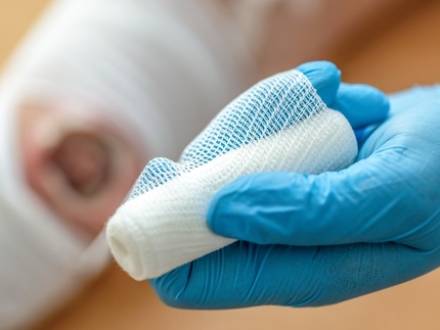 With proper care and attention, pressure sores in nursing homes are easily preventable. Unfortunately, not all nursing home residents are afforded that proper care, and treatable sores can progress into festering wounds. If your loved one suffered a stage 4 pressure sore in a long-term care facility, a Chicago, IL nursing home injury attorney can investigate what measures the staff took to prevent it.
At Schwartz Injury Law, we have the skills and knowledge to investigate claims involving advanced pressure sores. We are here to guide you through the claims process and help you seek accountability for your elderly loved one. When you first reach out, you will speak to a real attorney instead of an automated service, ensuring that you will be taken seriously from the start.
What Is a Pressure Sore?
A pressure sore is a wound that forms when skin and tissue are damaged by prolonged pressure. It often develops when a person stays in the same position for too long without being moved or repositioned. The pressure cuts off blood flow to the skin, and without blood flow, the tissue begins to break down.
Pressure sores go by other names, including bedsores and decubitus ulcers. They most commonly appear on bony areas of the body, like the heels, ankles, hips, tailbone, and the back of the head. Nursing home residents are at high risk because many of them have limited mobility and depend entirely on staff to help them change positions.
In Illinois, nursing homes are legally required to protect residents from preventable harm. That includes providing the care needed to prevent pressure sores from forming in the first place (210 ILCS 45/2-107). When a facility fails to meet that standard, the consequences can be severe.
How Do Pressure Sores Progress to Stage 4?
Pressure sores are classified in four stages. Each stage reflects how deep the damage has gone:
-
Stage 1 is the mildest. The skin is not broken, but it may appear red or discolored and feel warm or firm to the touch. At this stage, proper care can reverse the damage.
-
Stage 2 involves a shallow open wound or blister. The skin has broken down, and the area is more vulnerable to infection.
-
Stage 3 means the wound has gone through the full thickness of the skin and reached the fat layer underneath. The crater-like wound may have dead tissue in or around it.
-
Stage 4 is the most serious. The wound has reached muscle, tendon, or bone. At this point, the risk of life-threatening infection is very real. Stage 4 sores can require surgery and may never fully heal.
The progression from stage 1 to stage 4 does not happen overnight. However, it can move quickly when a nursing home fails to monitor residents properly. A sore that was visible and treatable at stage 1 or 2 can reach stage 4 within days if staff ignore it.
What Evidence Is Needed to Support a Pressure Sore Claim in a Nursing Home?
When a family suspects that a nursing home failed to prevent or treat a pressure sore, gathering the right evidence is essential. Medical records are often the starting point. Those records can show when the wound was first documented and how staff responded.
Nursing home records can also reveal staffing levels, repositioning logs, wound care notes, and any internal reports related to the resident's condition. In many neglect cases, those logs are missing entries or show that required checks were not completed.
Other useful evidence can include photographs of the wound at different stages, statements from family members who visited and noticed the injury, and testimony from medical experts who can explain what proper care should have looked like. If the facility had prior violations or complaints related to resident care, those records may also be relevant to the claim.
What Compensation Can You Receive for a Bedsore Claim in 2026?
The compensation available in a pressure sore claim varies from case to case. Medical expenses are often a central part of the claim. Pain and suffering damages account for the physical pain, emotional distress, and loss of quality of life caused by the injury.
For nursing home residents, who are often already living with health challenges, the suffering caused by a preventable stage 4 wound can be significant. If the resident had to transfer to a different facility or receive higher levels of care because of the injury, those costs can also be part of the claim.
In cases where the nursing home's conduct was especially reckless or showed a pattern of indifference to resident safety, punitive damages may be available. These are meant to hold the facility accountable beyond just compensating the victim.
When a Stage 4 Pressure Sore Leads to Fatal Complications
A stage 4 pressure sore can turn fatal. Sepsis, a life-threatening response to infection, is one of the most common causes of death connected to advanced bedsores. Osteomyelitis, which is a bone infection, can also develop and become impossible to treat. When a nursing home resident dies as a result of a pressure sore that should have been prevented, the family may have a wrongful death claim.
Illinois law allows certain family members to bring a wrongful death claim on behalf of a resident who died due to another party's negligence or wrongful conduct. A wrongful death case in this context can seek compensation for the family's grief, loss of companionship, funeral and burial expenses, and the pain the resident experienced before death.
These cases are painful. No amount of compensation can undo the loss of a parent or grandparent who deserved to spend their final years safe and properly cared for. That being said, pursuing a claim can provide accountability, financial relief, and help prevent future incidents.
Contact a Cook County, IL Nursing Home Pressure Sore Injury Attorney
If your loved one developed a serious pressure sore while living in an Illinois nursing home, you have every right to ask what happened and who is responsible. At Schwartz Injury Law, we represent families who have been failed by facilities that were supposed to provide care. Call 312-535-4625 or contact our Chicago, Illinois nursing home neglect lawyers to schedule a free consultation.
Contact Us
 The use of the Internet or this form for communication with the firm or any individual member of the firm does not establish an attorney-client relationship. Confidential or time-sensitive information should not be sent through this form.
I have read and understand the Disclaimer and Privacy Policy.
CHICAGO OFFICE
60 W. Randolph Street, Suite 300,
Chicago, IL 60601
312-535-4625
ORLAND PARK OFFICE
14496 John Humphrey Drive,
Orland Park, IL 60462
708-928-8685
ROCKFORD OFFICE
7210 East State Street, Suite 102A,
Rockford, IL 61108
815-315-0933
GLEN ELLYN OFFICE
519 N. Main Street, Unit 1BN,
Glen Ellyn, IL 60137
630-866-8843
ELMHURST OFFICE
360 West Butterfield Rd., Suite 300,
Elmhurst, IL 60126
630-884-5178
PEORIA OFFICE
456 Fulton Street, Suite 425,
Peoria, Illinois 61602
309-503-1126


Contact Our Firm
The use of the Internet or this form for communication with the firm or any individual member of the firm does not establish an attorney-client relationship. Confidential or time-sensitive information should not be sent through this form.
I have read and understand the Disclaimer and Privacy Policy.